My first thought when looking for a new fuse box was to get one with more capacity for fuses. Just four fuses is a bit limiting and, clearly, MG themselves appear to have messed up here given they've had to add in an inline fuse in the same spot! Upgrading to more fuses seemed like an obvious win: more reliability from modern blade fuses and more space in case I decided I wanted to fuse more accessories (e.g. the headlights, permanent battery charging facility, etc.)
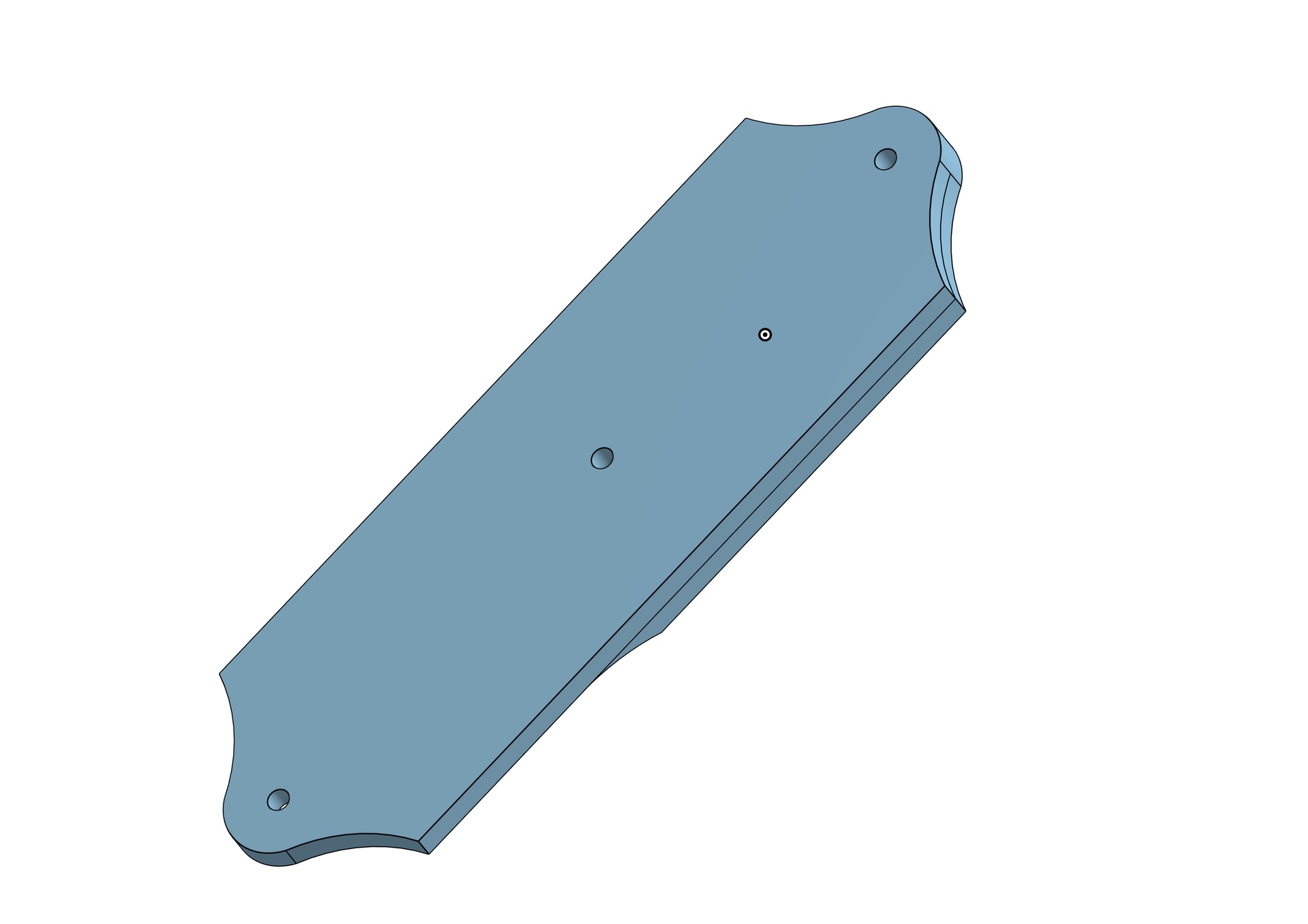
I bought a generic 8-slot blade fuse box from a large online retailer, and 3d printed a bracket for it which would allow me to attach it in place of the original without drilling extra holes. However, this was far too large, and the curve of the engine bay's bodywork made it impossible to fit in without some major redesigns. (Also, as I realised later, the PLA of the bracket was likely to melt, or at least seriously deform, given the under-bonnet temperatures). Plan A - scrapped.
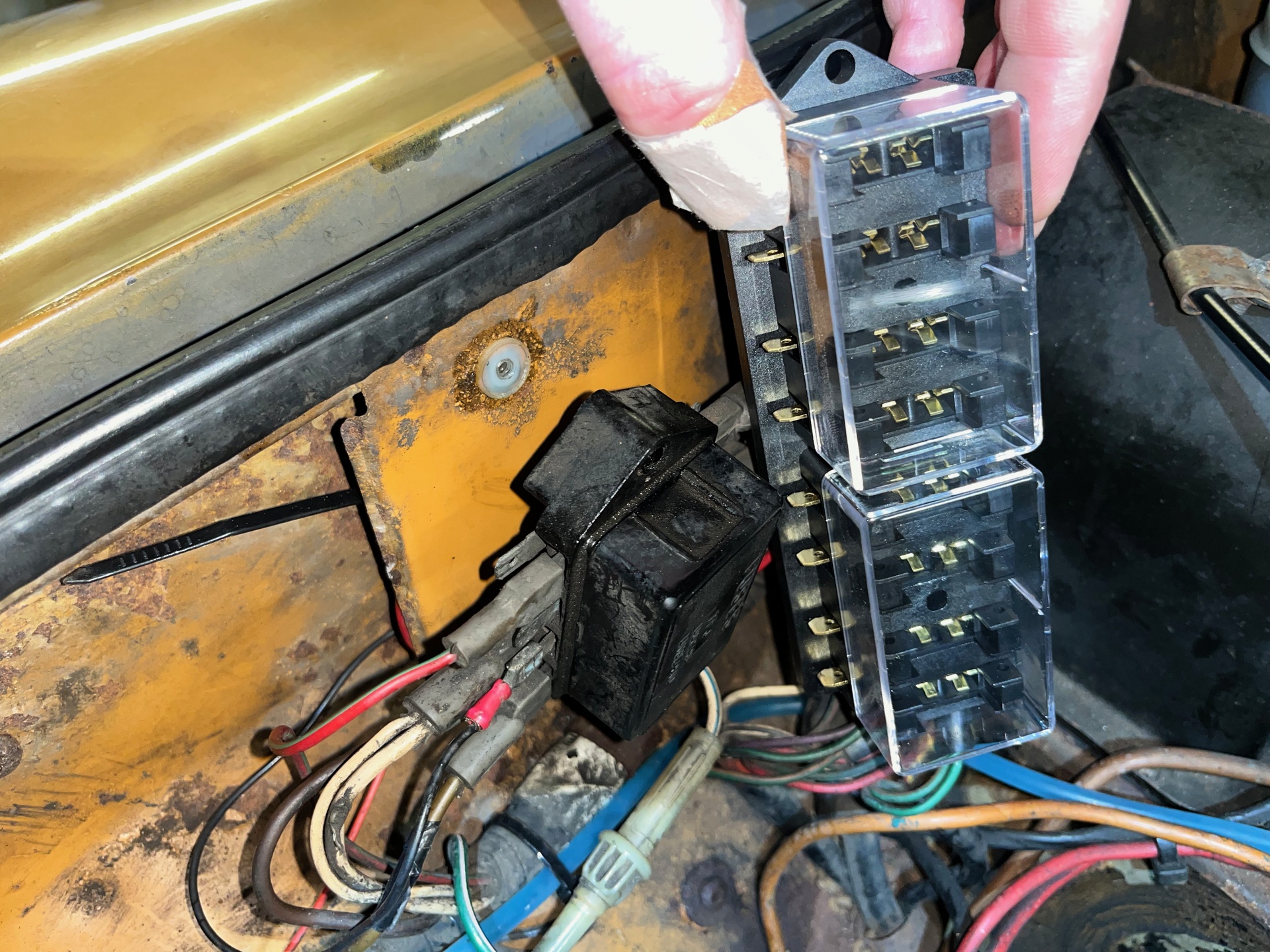
Luckily, however, I then found that a company in America was producing restomod fuse boxes that used blade fuses rather than glass! Sadly, I believe the company has decided to stop making them, but not before I bought one. It was a straight swap and install, took no time at all.
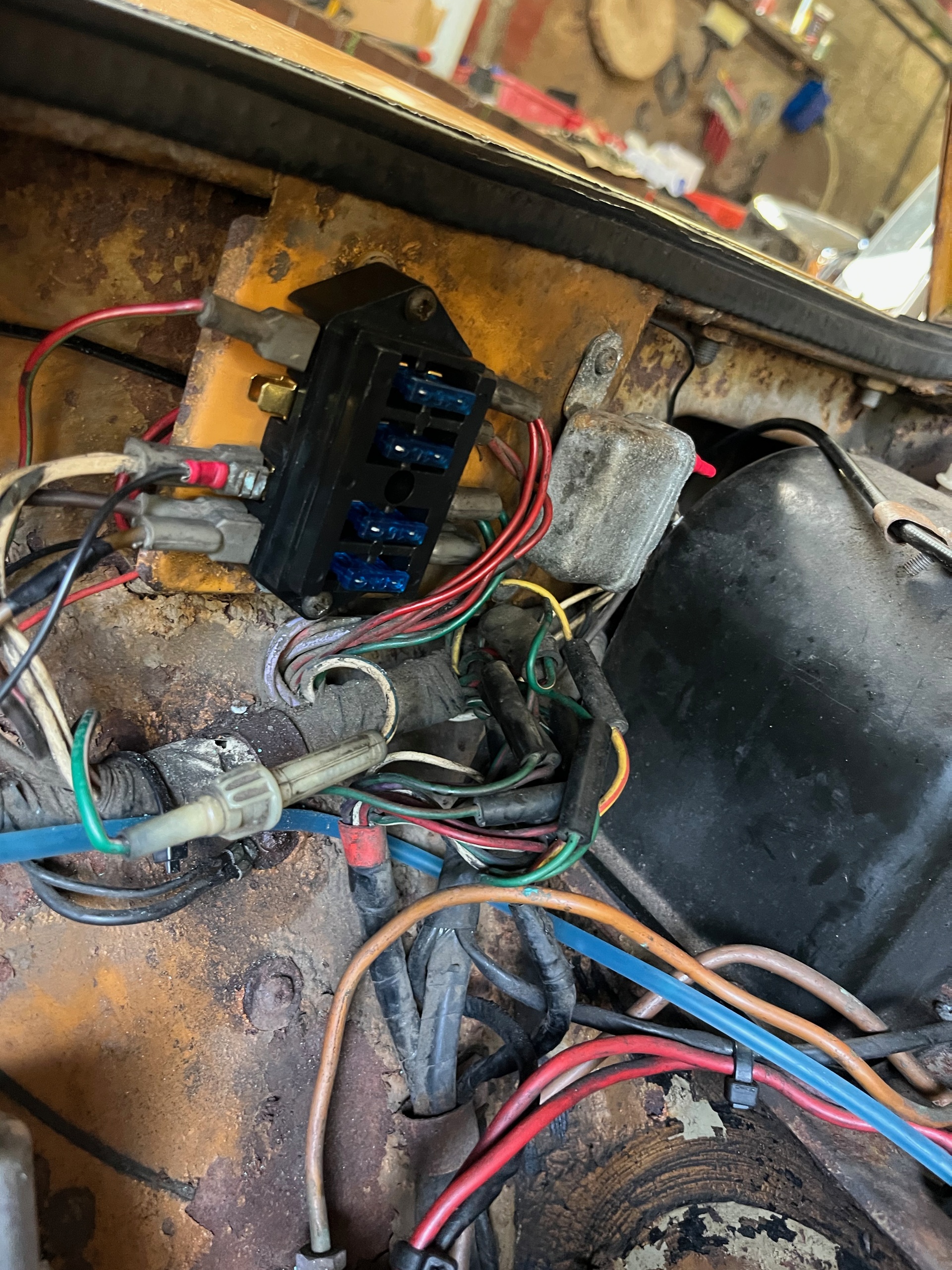
The new fuse box is likely more reliable (even if only because it's half a century younger...), and has fuses that are widely available. Given the corrosion that had built up on connectors of the fuse box, I imagine this will have actually very much helped the 50-year old wiring. A win-win all round!